
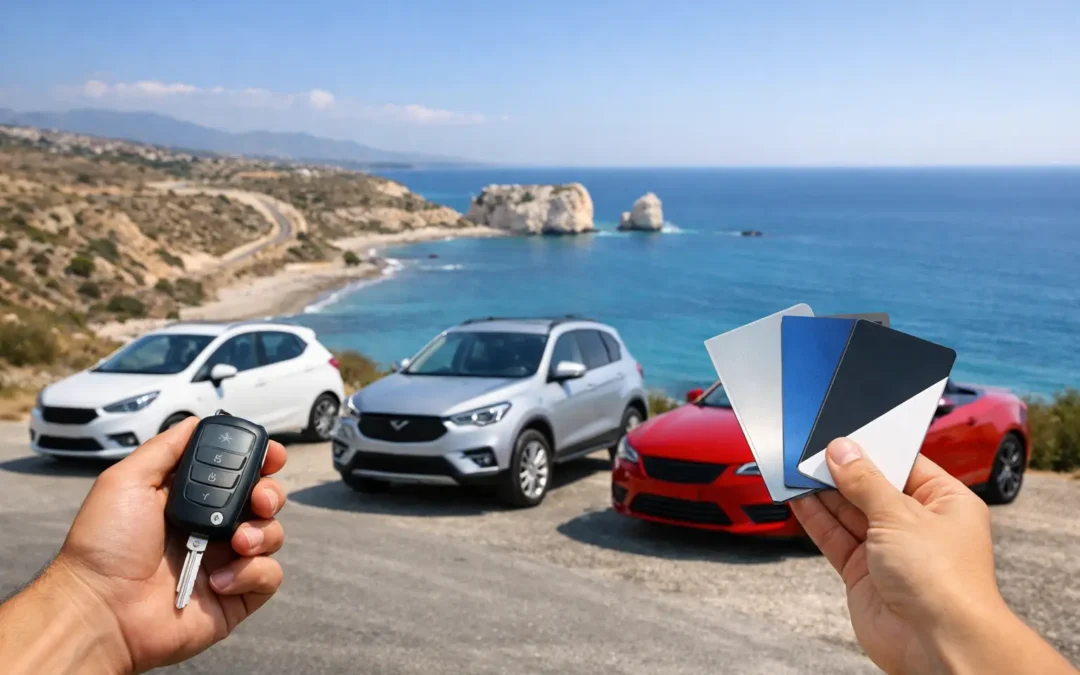
A low monthly rate can look attractive until you realize the car is too small for your family, expensive to fuel, or missing services you assumed were included. Knowing how to choose a rental car means looking beyond the vehicle photo and matching the car, the rental term, and the monthly package to the way you actually live in Cyprus.
For a rental of three months or longer, the right choice should feel practical every day while still giving you the comfort, image, and confidence you expect. Whether you need efficient transport for Limassol commutes or an executive SUV for business and family travel, start with the needs that will not change from one week to the next.
Start With Your Rental Period and Daily Driving
Long-term rental is different from booking a car for a weekend trip. You will use the vehicle for work runs, shopping, school drop-offs, appointments, beach weekends, and everything in between. That makes suitability more valuable than a feature that only looks good on paper.
First, be clear about how long you expect to need the car. A three-month rental may suit a relocation, a temporary work assignment, or a period when you want flexibility before buying. A longer term can make even more sense if you want dependable transport without tying up capital in a vehicle purchase.
Then consider where and how far you drive. A driver mainly traveling around Limassol has different priorities from someone commuting regularly to Nicosia, Paphos, or Larnaca. City driving favors compact dimensions, easy parking, and low fuel consumption. Frequent highway use may justify a more powerful saloon or SUV with better ride comfort, cabin insulation, and luggage capacity.
Be realistic about passengers, too. A couple may be comfortable in a hybrid city car, but the same car can become restrictive if you often carry children, colleagues, or visiting family. The right rental vehicle should handle your regular routine without requiring compromises every time the plans change.
How to Choose a Rental Car by Size and Category
The best category is not always the largest or most expensive one. It is the category that provides enough room, capability, and comfort for your needs while keeping your monthly cost sensible.
A compact or hybrid city car is often the smart choice for budget-conscious drivers. These vehicles are easier to park in busy areas, generally use less fuel, and offer a simple, dependable solution for daily mobility. For one or two people with light luggage needs, choosing a smaller car can leave more room in your monthly budget without sacrificing convenience.
A sedan or executive saloon is a strong middle ground for professionals and families who spend more time on the road. It typically offers a more refined cabin, better rear-seat comfort, and a larger trunk than a city car. If clients, colleagues, or airport pickups are part of your normal schedule, the added space and presentation can be worth the difference.
SUVs suit drivers who value a higher seating position, family-friendly space, and a more commanding road presence. They are particularly useful when you regularly carry luggage, sports equipment, or several passengers. The trade-off is usually higher fuel use and a higher monthly payment, so choose an SUV for a genuine need or preference rather than just the image.
Premium models from brands such as BMW, Mercedes-Benz, and Lexus bring another level of comfort, technology, and style. For executives, special lifestyle needs, or anyone who simply wants elite driving without ownership obligations, a premium rental can be a practical choice. Just make sure the monthly price reflects a package you are comfortable maintaining for the full term.
Compare the Full Monthly Cost, Not Just the Rate
The monthly rental payment is the first number most people see, but it should not be the only number that shapes your decision. A lower advertised rate may offer less value if you must separately pay for maintenance, insurance, road tax, tires, or unexpected repairs.
Ask for a clear explanation of what is included in the monthly price. An all-inclusive structure can make budgeting far easier because the core costs of keeping a car on the road are already accounted for. This is one of the main advantages of long-term rental compared with ownership, where maintenance schedules, insurance renewals, tire replacement, depreciation, and resale are all your responsibility.
You should also confirm the security deposit, mileage terms, payment schedule, and any charges that may apply at the end of the agreement. There is no single ideal mileage allowance. A local driver may need far less than a sales professional who travels across the island every week. Choose terms that reflect your normal usage, rather than hoping your driving stays below an unrealistic limit.
Transparency matters most when comparing similar vehicles. A slightly higher monthly price with comprehensive insurance, maintenance, road tax, and tires included may be more predictable and better value than a cheaper option with several costs still to come.
Check Fuel Use and Driving Comfort Together
Fuel economy deserves attention, especially when the car will be part of your life for several months. Hybrid vehicles can be an excellent choice for regular city traffic and shorter daily trips, where their efficiency can reduce running costs. For drivers with longer highway routes, a fuel-efficient sedan may offer a better balance of economy, range, and comfort.
Do not judge fuel use in isolation. A car that saves money at the fuel station but feels cramped, underpowered, or tiring on your regular route may not be the right fit. Likewise, a larger premium vehicle may cost more to run but deliver meaningful value if it supports your work, family needs, or travel routine.
Comfort also comes from the details. Check seat support, rear-seat room, trunk access, climate control, parking sensors, camera systems, and phone connectivity. These features may seem secondary during a quick viewing, but they affect every drive. If possible, sit in the vehicle and picture a normal weekday, not just a first impression.
Review Insurance and Vehicle Support Before You Commit
A dependable long-term rental should remove stress, not create uncertainty when something goes wrong. Comprehensive insurance is a major part of that reassurance, but you should understand the terms. Ask about the insurance excess, what happens after an accident, whether additional drivers can be approved, and how roadside support is handled.
Maintenance arrangements are equally relevant. Cars need servicing, and tires wear over time. When these services are included, you avoid the inconvenience of sourcing repairs and the surprise of paying for routine ownership costs. Confirm how service appointments are organized and whether a replacement vehicle may be available if the car needs extended workshop time.
Before accepting the vehicle, inspect it carefully with the rental provider. Review the exterior, wheels, interior, fuel level, and existing marks together. Taking a few dated photos for your records is sensible, even when working with an established company. Clear documentation protects both sides and keeps the experience straightforward.
Choose a Car That Fits Your Next Step
Your rental vehicle can be a practical bridge between stages of life. You may be settling into Cyprus, waiting for a company car, testing whether an SUV fits your family, or postponing a purchase until the right used car becomes available. Flexibility is valuable when your plans are still taking shape.
That is why it helps to think about the car you will need two or three months from now, not only the car you want today. If a new baby, visiting relatives, a job change, or more client travel is likely, choose a category with enough room to adapt. If your priority is keeping costs controlled while you establish yourself, an efficient compact vehicle may be the stronger decision.
For drivers in Limassol, NXM Empire offers the advantage of choice across affordable hybrid cars, executive saloons, premium SUVs, and luxury models, with fixed monthly pricing designed to keep the essentials clear. The right car is not necessarily the one with the biggest badge or the lowest initial price. It is the one that lets you get on with work, family, and life in Cyprus with confidence every day.