
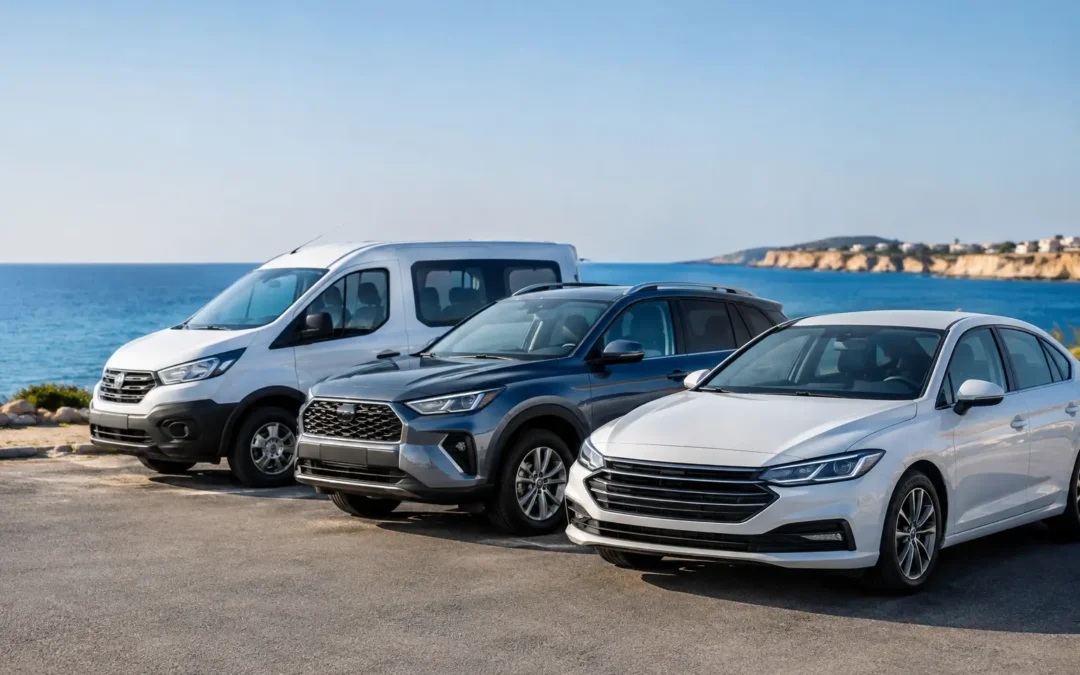
A growing team should not have to buy several cars just to keep work moving. Can companies rent multiple vehicles instead? Yes. For many businesses in Cyprus, a multi-vehicle long-term rental is a practical way to give staff dependable transport while keeping costs predictable and administration light.
Whether you need two efficient city cars for site visits, several SUVs for a field team, or executive vehicles for client-facing roles, renting can provide the flexibility to match your fleet to the way your business actually operates. The right arrangement depends on your term, vehicle mix, driver requirements, and expected mileage, but the core benefit is simple: your business gets the mobility it needs without taking on the full responsibility of ownership.
Can Companies Rent Multiple Vehicles for Long-Term Use?
Companies can rent multiple vehicles under one long-term rental arrangement, subject to vehicle availability and the provider’s business-rental requirements. At NXM Empire, long-term rentals begin from three months, making them suitable for companies that need more stability than a short-term booking but do not want the capital commitment of purchasing a fleet.
A business may rent matching vehicles for a consistent company image, or select different models for different roles. An economical hybrid can make sense for high-mileage city travel, while a premium sedan or luxury SUV may be the better choice for senior management, airport transfers, or important client meetings.
This flexibility matters because a fleet is rarely one-size-fits-all. A property company may need compact cars for daily viewings and one larger SUV for site visits. A consulting firm may prioritize executive comfort. A growing business may simply need reliable vehicles for new employees while it evaluates long-term staffing levels.
Why Renting Several Vehicles Can Make Business Sense
Buying vehicles ties up capital, introduces depreciation risk, and creates an ongoing list of tasks that can distract from your core business. Maintenance appointments, tire replacement, insurance renewals, road tax, and unexpected repairs all require time and planning. With an all-inclusive monthly rental structure, those ownership-related responsibilities are handled within a clear monthly payment.
For companies managing several vehicles, that clarity becomes even more valuable. Instead of tracking separate service schedules and insurance policies across a fleet, you can budget around a known monthly cost per vehicle. It is a straightforward approach for businesses that want reliable transport without hidden surprises.
Long-term rental can also protect cash flow. Rather than committing a large amount upfront to purchase multiple cars, a company can preserve capital for payroll, stock, equipment, expansion, or marketing. This is particularly useful for newer businesses and established companies taking on a short-term project or opening a new department.
There is a trade-off. If your business expects to keep the same vehicles for many years and can manage all ownership costs efficiently, buying may be more appropriate. Rental is strongest when flexibility, convenience, and cost predictability matter more than holding the asset at the end of its life.
Choosing the Right Mix of Vehicles
The first question is not how many cars you need. It is what each car needs to do. A practical fleet starts with the daily reality of your operations: where employees drive, how often they travel, who rides with them, and the impression they need to make when they arrive.
Efficient cars for everyday travel
Hybrid and compact vehicles are a strong choice for employees covering regular routes around Limassol or traveling between meetings. They are easier to park, economical to run, and well suited to businesses that want dependable transport at a controlled monthly cost. For many teams, these vehicles form the foundation of a sensible fleet.
Executive vehicles for client-facing roles
For directors, consultants, sales leaders, and hospitality businesses, the vehicle can be part of the customer experience. Executive sedans offer comfort, presence, and a polished arrival without requiring the company to purchase a high-value vehicle outright. They can be especially suitable when clients, partners, or visiting executives spend time in the car.
SUVs for space, comfort, and versatility
An SUV can be the practical answer when teams carry equipment, travel with passengers, or need more confidence on longer journeys. Premium SUVs also provide the elevated driving experience some businesses expect for leadership roles and VIP transport. The best choice depends on whether the priority is luggage space, passenger comfort, brand image, or all three.
A mixed fleet is often more cost-effective than placing every employee in the same category of car. Match the vehicle to the job, and your business pays for the value it actually needs.
What Is Typically Included in a Business Rental?
Before signing a multi-vehicle rental agreement, ask for a clear breakdown of what is included in the monthly price. A transparent arrangement should make budgeting easier, not create uncertainty later.
With a long-term rental, the monthly structure can include maintenance, comprehensive insurance, road tax, and tires. This removes several routine ownership costs from your internal workload and helps keep vehicles in good condition throughout the rental period.
It is still wise to clarify the practical details before confirming your fleet. Discuss the agreed rental term, mileage expectations, approved drivers, insurance excess, accident procedures, and what happens if your business needs to add or replace a vehicle. These are not small details when multiple employees rely on the fleet every day.
Clear expectations protect both sides. They also make it easier for your office manager, finance team, or operations lead to run the fleet without chasing paperwork or dealing with avoidable misunderstandings.
How to Plan a Multi-Vehicle Rental Agreement
Start by looking at the next three to 12 months rather than only this week’s needs. Consider expected hires, seasonal workload, contracts that may require travel, and which employees need regular access to a vehicle. A company that rents too few cars creates scheduling pressure. One that rents too many pays for vehicles that sit unused.
Then separate essential requirements from preferences. Reliability, passenger capacity, fuel efficiency, and luggage space may be essential. A premium badge, panoramic roof, or upgraded interior may be a preference, unless the car will be used for executive or client-facing work. This distinction helps you build a fleet that is both professional and cost-conscious.
It also helps to nominate one person inside the company to oversee vehicle use. They can maintain a driver list, report issues promptly, monitor condition, and make sure employees understand company rules for fuel, parking, fines, and personal use. A well-managed rental fleet stays easier to operate and presents your business more professionally.
When Multiple Rentals Are Better Than Company-Owned Cars
Multi-vehicle rental is especially useful when your staffing levels are changing, when a project has a defined duration, or when your business wants to avoid the risk of selling vehicles later. It can also suit companies that want access to premium vehicles without absorbing the full purchase price and depreciation associated with them.
For businesses operating in Limassol, the appeal is often a combination of convenience and choice. You can select practical vehicles for everyday work, premium options for key roles, and a rental term that fits your operating plans. There is no need to force every driver into the same type of car or commit to ownership before you are ready.
The most effective fleet is not necessarily the largest or most luxurious. It is the one that gives every employee the right level of mobility, keeps monthly spending clear, and lets your business stay focused on the work ahead.