
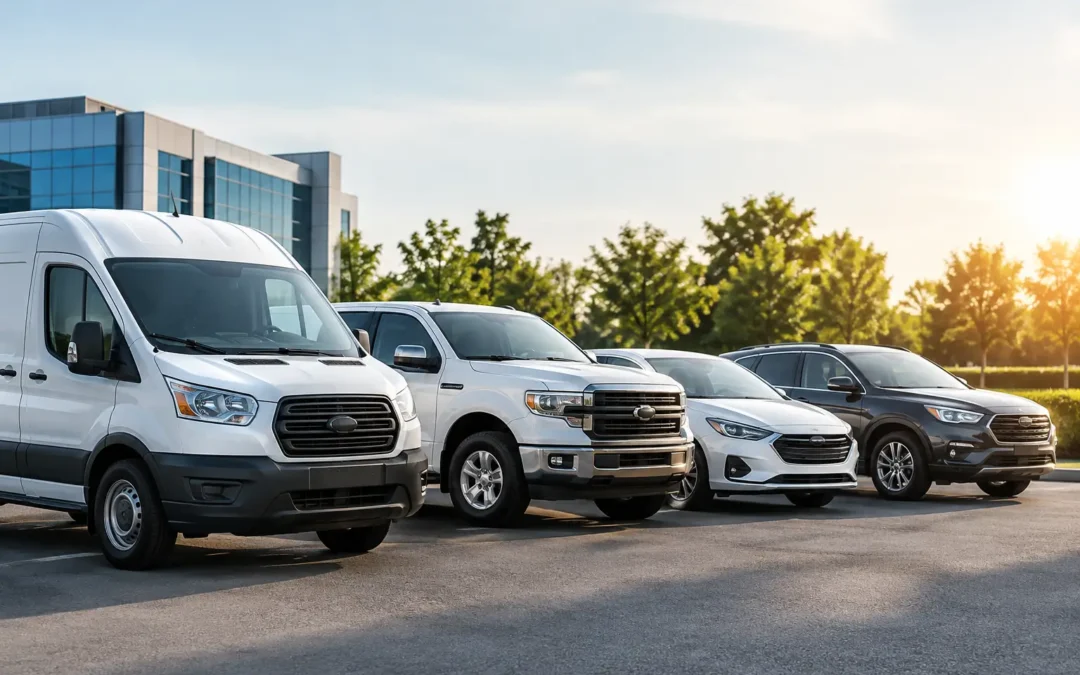
A company vehicle is more than transport between appointments. It affects how reliably your team arrives, what your business spends each month, and the impression clients receive before a meeting begins. Smart corporate fleet vehicle choices start by matching each vehicle to the work it will actually do, rather than choosing only by purchase price or badge.
For businesses in Limassol and across Cyprus, the right fleet may include efficient hybrid cars for daily city travel, comfortable sedans for client-facing roles, and premium SUVs for senior executives or demanding road schedules. The goal is not to make every vehicle identical. It is to give every driver a dependable vehicle that suits their role, with costs that remain clear and manageable.
Start With the Job, Not the Vehicle
The most expensive fleet mistake is assigning the same type of car to every employee. A compact hybrid may be an excellent fit for a sales representative making regular trips around Limassol, but it may not give a regional manager the comfort, luggage space, or presence needed for longer journeys and client visits.
Begin with how each vehicle will be used. Consider average weekly mileage, typical routes, passenger needs, parking conditions, and how often the driver carries equipment or samples. City-based teams usually benefit from compact dimensions, lower fuel use, and easy parking. Employees who frequently travel between cities may value a quieter cabin, stronger highway performance, and advanced driver-assistance features.
A fleet should also reflect the role a driver plays in front of customers. For some positions, practical transportation is exactly right. For executive meetings, airport collections, or hospitality-focused businesses, a refined sedan or premium SUV can support a more polished brand experience. The vehicle does not need to be extravagant to be appropriate, but it should feel aligned with the standard your company promises.
Build Corporate Fleet Vehicle Choices Around Total Cost
Monthly payments matter, but they are only one part of fleet spending. Fuel, scheduled maintenance, tire replacement, insurance, road tax, repairs, and downtime can turn an apparently affordable vehicle into a costly one. Looking at total monthly cost gives decision-makers a more honest basis for comparison.
Hybrid and fuel-efficient models are often strong choices for teams covering frequent urban miles. Their value is not limited to lower fuel consumption. They can also make budgeting easier when fuel prices fluctuate, especially across a fleet of several vehicles. However, a hybrid is not automatically the best answer for every driver. If a vehicle spends most of its time on longer highway routes, compare real-world operating costs against a suitable gasoline, diesel, or plug-in alternative before committing.
Long-term rental can make this calculation far simpler. With a fixed monthly structure that includes maintenance, comprehensive insurance, road tax, and tires, companies can avoid many of the unexpected costs that come with owning and managing vehicles directly. Instead of holding capital in depreciating assets or approving repair invoices one by one, the business has a clearer monthly mobility cost.
That flexibility can be especially useful for companies with seasonal staffing, project teams, new hires, or changing operational needs. A fleet should support growth without forcing a business into vehicles it no longer needs two years later.
Choose Vehicle Categories With Purpose
A well-planned corporate fleet often works best as a mix of categories. There is no need for every driver to have the same specification when their responsibilities are different.
Efficient city cars for high-frequency travel
Compact cars and hybrids are practical for employees who spend most of the day moving between offices, suppliers, customer sites, and city appointments. They are easier to park, generally more economical to run, and well suited to dense urban routes. For many businesses, these vehicles form the cost-conscious core of the fleet.
Sedans for client-facing professionals
A sedan offers a strong balance of comfort, professional appearance, and everyday practicality. It can suit consultants, account managers, real estate professionals, and managers who regularly transport colleagues or clients. A clean, well-equipped sedan feels composed without creating unnecessary operating costs.
SUVs for space, visibility, and versatility
SUVs are often selected for their driving position, cabin space, and ability to handle a wider variety of schedules. They can work well for teams carrying equipment, traveling with multiple passengers, or visiting locations where road conditions vary. The trade-off is usually higher fuel use and monthly cost, so an SUV should earn its place through genuine operational value rather than habit.
Premium vehicles for executive mobility
For directors, senior leadership, and businesses where presentation is central to the customer experience, premium vehicles from brands such as BMW, Mercedes-Benz, and Lexus can be a sensible business choice. They deliver comfort, technology, and a confident arrival. The key is to set a clear policy: identify which roles qualify for premium fleet vehicles and ensure the selection remains commercially justified.
Put Driver Comfort and Safety on the Same Level as Cost
A vehicle that looks economical on paper can create hidden problems if drivers dislike using it. Poor seating comfort, limited cargo capacity, weak air conditioning, or outdated technology can make long workdays harder and affect employee satisfaction. When a driver spends several hours a day in a car, comfort becomes a productivity issue.
Safety should be non-negotiable. Prioritize vehicles with modern safety equipment appropriate to their category, including parking support, rear-view cameras, stability systems, and driver-assistance features where available. These features help reduce stress in busy traffic and can lower the likelihood of costly incidents.
It is also worth involving the people who will use the vehicles. Fleet managers should set the requirements, but driver feedback can reveal practical details that a specification sheet misses. A short test drive may show that trunk access is awkward, rear-seat space is insufficient, or a particular model is not suitable for daily routes.
Avoid the Ownership Trap When Flexibility Matters
Buying vehicles can suit established fleets with predictable long-term requirements and the internal resources to manage servicing, insurance, replacements, and resale. But ownership also means depreciation risk, capital tied up in vehicles, and the challenge of disposing of cars at the right time.
Long-term rental offers another path. It gives companies access to vehicles for periods starting from three months, without the pressure of immediate ownership. This can be useful when opening a new office, covering probation periods, supporting a contract team, or replacing a vehicle that is temporarily out of service.
The value is not only financial. An all-inclusive arrangement reduces administration. Rather than coordinating multiple providers for insurance, tires, repairs, and tax, the business can focus on its people and customers. NXM Empire provides this kind of straightforward fleet flexibility across affordable, executive, and premium vehicle categories, allowing companies to match mobility to their current needs.
Create a Fleet Policy That Keeps Decisions Consistent
Even a small business benefits from a simple written fleet policy. It should explain who can drive company vehicles, which vehicle category is assigned to each role, how fuel and mileage are handled, and what drivers should do after an accident or maintenance warning.
The policy should also define when a vehicle is due for review. A team member whose role changes from office-based work to regional travel may need a different vehicle. Likewise, a premium SUV assigned years ago may no longer fit the company’s cost priorities. Reviewing assignments periodically keeps the fleet useful instead of letting it become a collection of old decisions.
Keep the policy practical. Overly complicated rules tend to be ignored. Clear expectations, transparent costs, and a reliable vehicle partner will do more for fleet control than a lengthy document full of exceptions.
The right choice is the one that lets your people arrive prepared, represents your business well, and keeps monthly costs predictable. Start with the work each driver needs to do, then choose the level of efficiency, comfort, and presence that supports it.