
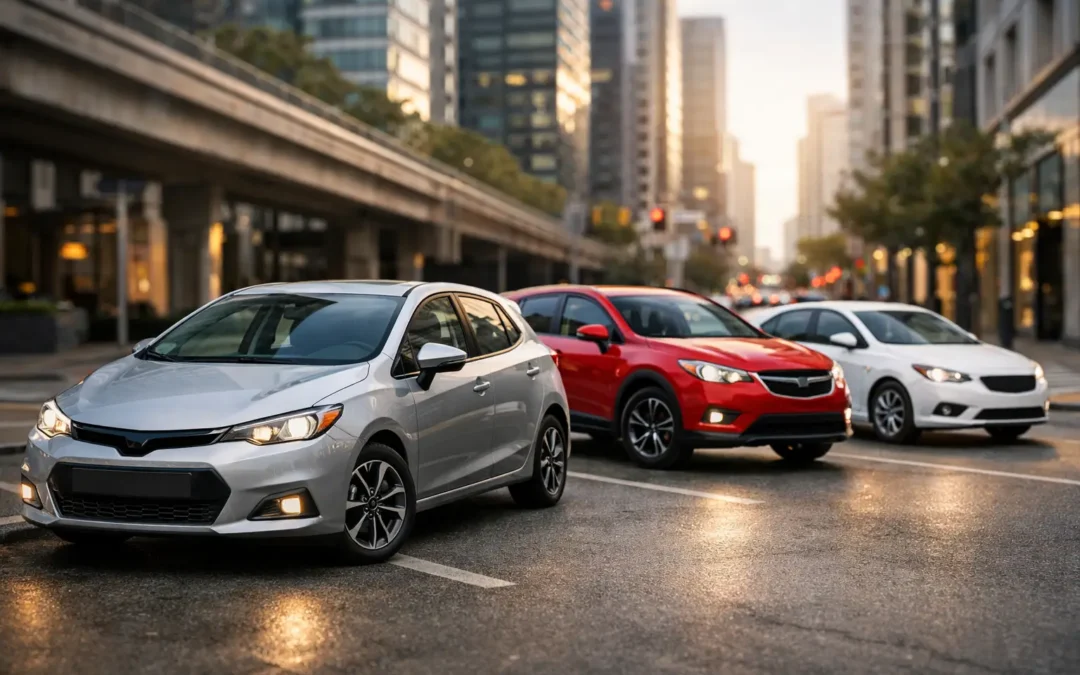
City driving exposes every weakness a car has. A model that feels refined on the highway can become frustrating when parking is tight, traffic is constant, and fuel stops come too often. That is why the best cars for city driving are not simply the smallest or cheapest options. The right choice depends on how you move through your day, what level of comfort you expect, and whether you want low running costs, premium features, or a balance of both.
For drivers in busy urban areas, the best city car usually gets the basics right first. It needs compact dimensions, light steering, good visibility, and sensible fuel economy. After that, comfort matters more than many people expect. If you spend hours in stop-and-go traffic, a quiet cabin, smooth automatic gearbox, and supportive seats can make a real difference.
What makes the best cars for city driving
A good city car should feel easy from the first minute behind the wheel. That starts with size. Shorter vehicles are easier to park, easier to place in narrow streets, and less stressful in crowded lots. But small does not always mean better. Some very compact cars save space while sacrificing ride quality, trunk capacity, or rear-seat comfort.
Fuel economy is another major factor, especially for drivers covering regular daily mileage. Hybrids are often a strong match for urban use because they perform efficiently at lower speeds and in traffic. Traditional gas models can still be a smart pick if the vehicle is lightweight and simple to maintain. Electric vehicles can also work well in the city, but only if charging is convenient for your home, building, or routine.
Technology matters, but only when it solves real problems. A reversing camera, parking sensors, Apple CarPlay, Android Auto, blind-spot monitoring, and keyless entry all add everyday convenience. The features worth paying for are the ones you will use every day, not the ones that only look good on a brochure.
12 best cars for city driving
Toyota Yaris
The Toyota Yaris remains one of the safest choices for urban drivers because it does almost everything well. It is compact without feeling cramped, easy to maneuver, and widely respected for reliability. The hybrid version is especially appealing for city traffic, where low-speed efficiency becomes a genuine money saver over time.
It is not the most exciting car in its class, and that may not matter at all. For many drivers, predictable ownership costs and easy daily use are more valuable than sharp performance.
Honda Fit
The Honda Fit has long been a favorite for practical city use. Its small footprint makes it easy to park, but the cabin feels unusually flexible for a subcompact. If you carry groceries, luggage, work equipment, or child seats, that extra versatility stands out quickly.
Its biggest strength is how much utility it offers without becoming bulky. If you want one car that handles city errands and weekend duties without complaint, this is a strong candidate.
Hyundai i10
The Hyundai i10 is exactly the kind of car many city drivers need but often overlook. It is compact, affordable to run, and simple to live with. In dense urban settings, that combination can be more useful than extra horsepower or oversized wheels.
The trade-off is that it feels more basic than larger or more premium alternatives. Still, if value and convenience are the priorities, the i10 makes a lot of sense.
Kia Picanto
The Kia Picanto earns its place by being honest about its purpose. It is small, agile, and well suited to short daily drives, tight parking, and regular errands. It also tends to offer a modern cabin layout that feels more polished than some rivals at the same size.
This is a smart option for drivers who want compact dimensions without giving up too much style or equipment.
Toyota Corolla Hybrid
Not everyone wants a tiny car in the city. The Toyota Corolla Hybrid shows why a slightly larger model can still be one of the best cars for city driving. It is comfortable, refined, and highly efficient in traffic, while offering more rear-seat room and cargo space than a typical city hatchback.
If your daily driving mixes urban routes with occasional longer trips, the Corolla Hybrid can feel like the better all-around answer. It costs more than smaller options, but many drivers will appreciate the extra comfort.
Lexus CT or UX Hybrid
For drivers who want urban efficiency with a premium edge, Lexus deserves serious attention. The CT, where available used, is compact and economical, while the UX Hybrid offers a more modern premium crossover feel with strong city manners.
This is the kind of choice that suits professionals who want comfort, image, and lower fuel consumption in one package. You pay more upfront, but you gain a quieter cabin, better materials, and a more elevated daily experience.
Mini Cooper
The Mini Cooper remains one of the most characterful city cars on the market. It is compact, quick to steer, and easy to place in narrow streets. For drivers who want city practicality without losing personality, it has clear appeal.
That said, sporty tuning can mean a firmer ride, and rear-seat space is limited. If design and driving feel matter as much as pure practicality, the Mini makes more sense than many conservative alternatives.
Volkswagen Polo
The Volkswagen Polo sits in a useful middle ground. It is compact enough for urban use but mature enough to feel stable and refined beyond the city. The interior often feels a class above many rivals, which can matter if you spend a lot of time in the car.
It is rarely the cheapest option in its segment, but many drivers see the added quality as worthwhile. For those who want a small car that does not feel entry-level, the Polo is easy to recommend.
Renault Clio
The Renault Clio combines attractive design with practical city-friendly proportions. It tends to offer a comfortable ride and a more upscale cabin feel than many people expect from a compact hatchback.
Its appeal is strongest for drivers who want efficiency and style without stepping into a premium badge. It may not lead every category, but it is balanced in the ways that matter most.
Peugeot 208
The Peugeot 208 is another compact hatchback that works especially well in urban settings. It feels modern, is easy to park, and often comes with a tech-focused interior that suits younger professionals and style-conscious drivers.
The main question is whether you like its cabin layout and driving position. If you do, it can be one of the more satisfying small cars to use every day.
BMW 1 Series
A premium badge does not automatically make a car better for the city, but the BMW 1 Series makes a credible case. It offers compact dimensions, strong cabin quality, and a more composed driving experience than many smaller economy cars.
This is a better fit for drivers who want a city-friendly car that still carries executive appeal. Running costs can be higher, so the value depends on how much you prioritize brand, comfort, and performance.
Mercedes-Benz A-Class
The Mercedes-Benz A-Class appeals to drivers who want compact size without compromising on image or interior quality. In city traffic, its technology and cabin comfort can make daily use feel less tiring and more polished.
As with the BMW, the trade-off is cost. It is not the budget pick, but for professionals or families who want premium urban mobility, it can be a very satisfying option.
How to choose the right city car for your needs
If your priority is keeping costs low, a compact hybrid or efficient gas hatchback is usually the smart move. Cars like the Yaris, i10, Picanto, and Clio work well because they keep fuel use, parking stress, and maintenance concerns under control.
If you need more space for family use or business travel, a Corolla Hybrid, Polo, or UX Hybrid may be the better fit. They still handle city life confidently while offering more comfort and flexibility.
If image matters alongside convenience, premium compact models deserve a closer look. A Lexus, BMW, or Mercedes-Benz can make daily driving feel more comfortable and more in line with your lifestyle. The key is being honest about how much of that premium experience you will actually use.
Buying versus long-term rental for city driving
City driving puts regular wear on any vehicle, from brakes and tires to bodywork and service intervals. For some drivers, that makes ownership less appealing than it first seems. Long-term rental can be a practical alternative because it replaces variable costs with one predictable monthly payment and removes much of the administrative burden.
That is especially relevant if your needs may change over time. A compact hybrid might suit you now, while a larger saloon or premium SUV may make more sense later. A provider such as NXM Empire appeals to that kind of flexibility by offering vehicles across price points with maintenance, insurance, road tax, and tires included.
The better option depends on your timeline, budget, and how much convenience matters to you. If you want long-term value and plan to keep the same car for years, buying can work well. If you want simplicity, transparent monthly costs, and room to adapt, long-term rental is often the easier choice.
The best city car is the one that makes daily life feel lighter, not more complicated. Choose the model that fits your routine, your budget, and the standard of driving experience you actually want every morning.